
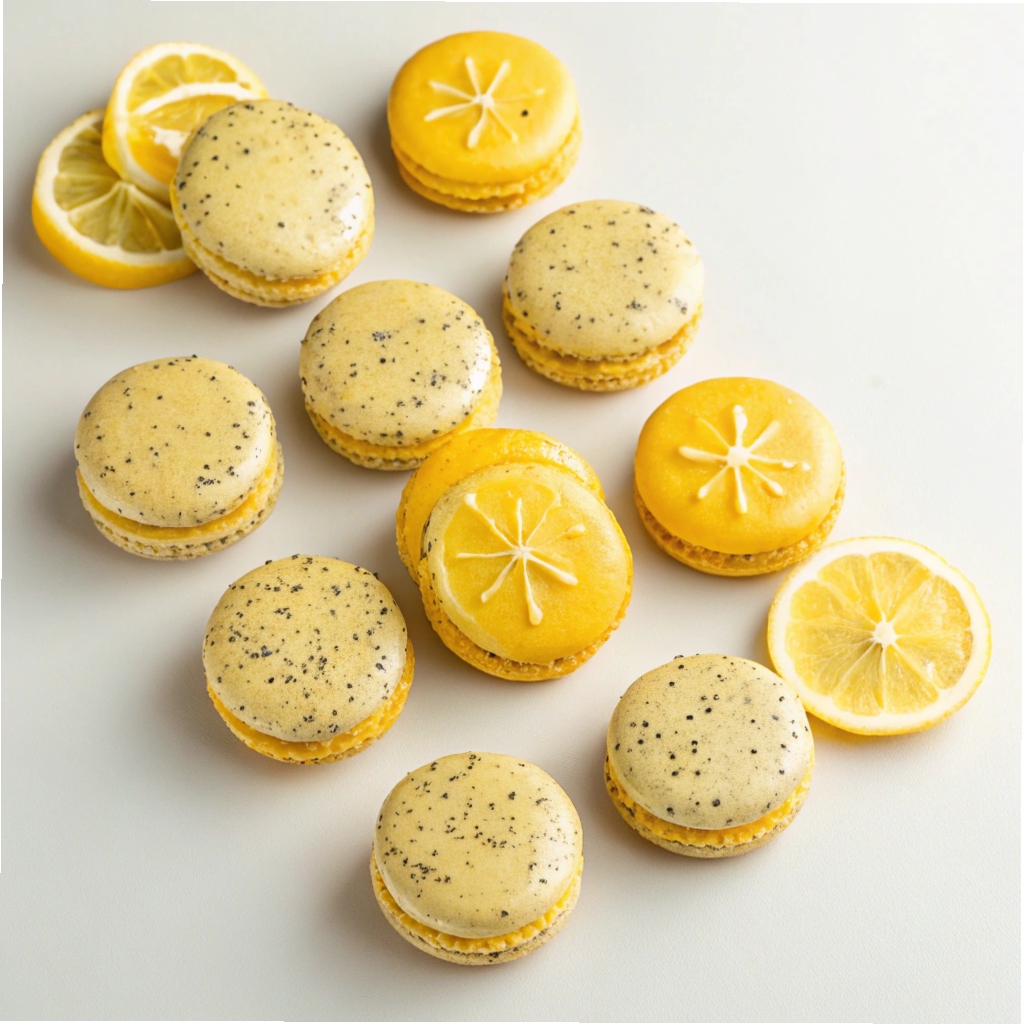
There is something quietly rebellious about a cookie that refuses to rely on a bottle of extract. These homemade lemon poppy seed cookies lean entirely on real lemons, plenty of fresh zest, and just enough glaze to make every bite snap with citrus. No neon yellow flavoring, no shortcut bottles – just the bright, buttery character that makes these citrus cookies feel like a small afternoon escape.
I started baking this recipe because most of the lemon poppy seed cookies I tried in college were either flat, dry, or saddled with a glaze so sugary it drowned out the lemon. After a lot of trial and error – including one batch that spread into a single sheet-pan lemon pancake – I landed on a version that bakes up soft and chewy in the middle with lightly golden edges. The poppy seeds add that gentle crunch you remember from a bakery muffin, and the lemon glaze on top seals the deal.
Whether you are baking for a spring brunch, a baby shower, or a quiet Tuesday with a pot of tea, this lemon poppy seed cookies recipe is built to deliver. Twenty minutes of prep, twelve in the oven, and a batch of about 30 cookies that taste like sunshine. If you have been hunting for soft and chewy lemon poppy seed cookies with real fresh lemon flavor, you have found your new forever recipe.
Table of Contents
- Why This Recipe Works
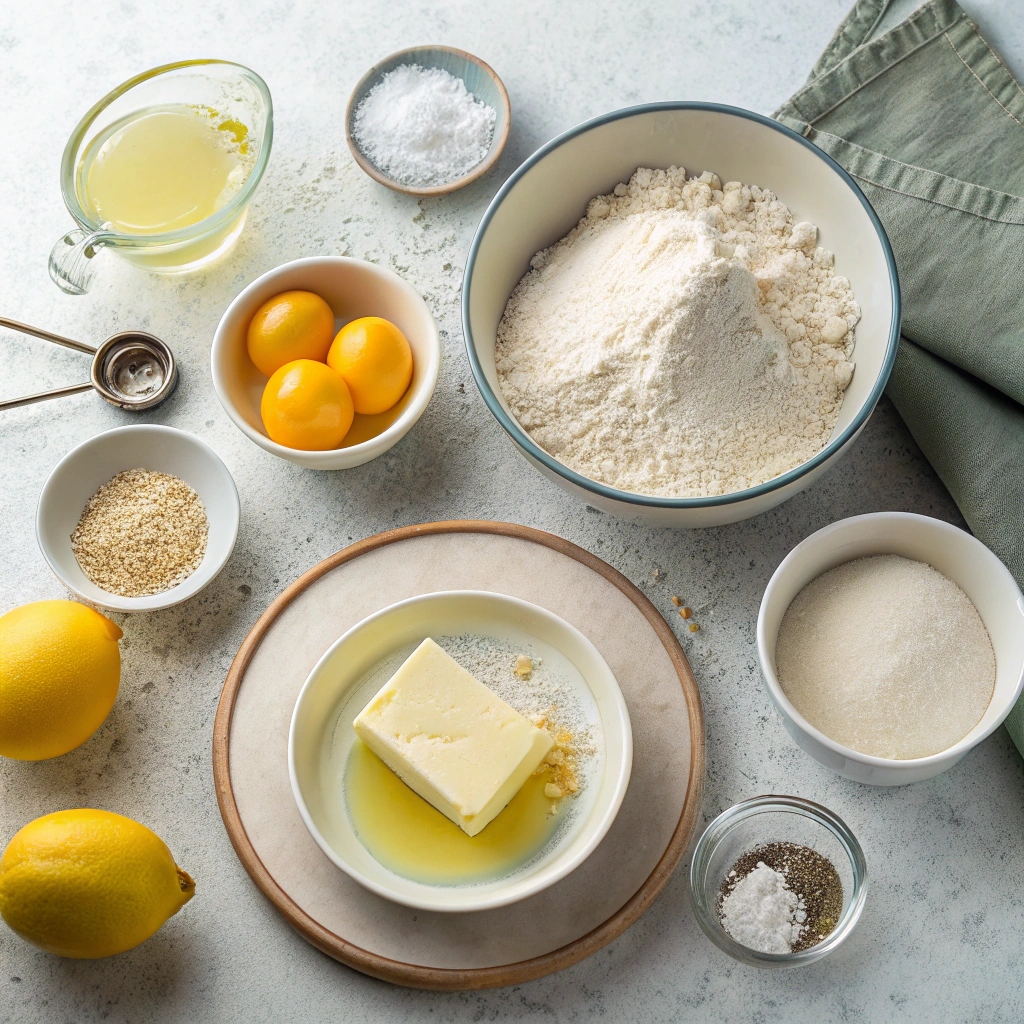
- Ingredients for Lemon Poppy Seed Cookies
- Instructions for Lemon Poppy Seed Cookies
- How to Make the Lemon Glaze
- Troubleshooting: Why Your Cookies Might Be Flat
- Perfect Pairings: Serving Suggestions
- Keep Them Fresh: Storage Tips
- Mix It Up: Recipe Variations
- Quick Tips for Success
- Got Questions? We’ve Got Answers
- Bake a Batch and Let Me Know How It Goes
- Lemon Poppy Seed Cookies
Why This Recipe Works
Most cookie recipes that promise lemon flavor end up tasting more like a sugar cookie with a vague whisper of citrus. The fix here is simple and intentional: build the lemon flavor in layers, never let it lean on a single ingredient to carry the load.
The dough uses both lemon zest and fresh lemon juice, which means the bright, floral notes from the oils in the peel arrive alongside the sharper tang of the fruit itself. The glaze on top then adds a third wave of citrus, so each bite hits you with lemon from three different angles.
The texture comes from a chemistry trick worth paying attention to. Egg yolks instead of whole eggs keep the dough low in moisture, which is what gives these cookies that dense, buttery, soft-and-chewy middle instead of a cakey crumb. Combined with a chill time of at least 30 minutes, the dough holds its shape in the oven, baking up thick rather than thin. The result is a cookie that looks bakery-worthy and eats even better than it looks.
Ingredients for Lemon Poppy Seed Cookies

- 1 cup (226 g) unsalted butter, softened
- 1½ cups (300 g) granulated sugar
- 2 Tablespoons lemon zest
- 2 large egg yolks (room temperature preferred)
- 3 Tablespoons lemon juice (fresh squeezed preferred)
- 3 cups (375 g) all-purpose flour
- ½ teaspoon baking soda
- 1 teaspoon baking powder
- ½ teaspoon salt
- 2½ teaspoons poppy seeds
Ingredient Notes & Why Each One Matters
Every ingredient in this lemon poppy seed cookies recipe is doing a job. Here is what is actually happening in your mixing bowl, and the small choices that make a difference between so-so and spectacular.
Unsalted butter, softened – Softened means a true 65 to 70°F, not melted and not fridge-cold. When you press a finger into it, you should leave a clean indent without the butter collapsing. Butter carries the lemon flavor and gives these cookies their buttery richness. If you only have salted butter, drop the added salt to a quarter teaspoon.
Granulated sugar – White sugar is the right pick here. It creamed with butter creates air pockets that help the cookies rise while keeping the edges crisp. Brown sugar would muddy the fresh lemon flavor and push the cookies toward a more caramel profile.
Lemon zest – Use a microplane and zest only the bright yellow part of the peel. The white pith underneath is bitter and will turn your cookies soapy. Two tablespoons of zest should come from about two large lemons. This is where the majority of the fresh lemon flavor lives – the zest contains the natural oils that extract-based recipes can only imitate.
Egg yolks – Using yolks instead of whole eggs is the secret to that soft, dense, bakery-style center. Whole eggs add too much moisture (from the whites) and make cookies spread thin and dry. Yolks add fat and richness without extra liquid. Save the whites for a batch of white chocolate chip cookies later in the week.
Fresh lemon juice – Bottled juice tastes flat and a little metallic. You already have lemons on the counter for the zest, so squeeze them. Three tablespoons is roughly the juice of one large lemon.
All-purpose flour – Spoon and level rather than scooping directly with the measuring cup. Scooping packs the flour and adds up to 25 percent more than you need, which leads to dry, cakey cookies. For the most accurate measurement, weigh the flour (375 g).
Baking soda and baking powder – Both work together. Baking powder gives the initial lift, while baking soda reacts with the acidic lemon juice for a softer, more tender crumb. Skipping either throws the texture off.
Poppy seeds – No soaking needed. They will soften naturally as they bake in the moist dough. Two and a half teaspoons is the sweet spot: enough crunch to feel in every bite without turning the cookies into a seed bomb.
Lemon Glaze Ingredients
- 1¼ cups (160 g) powdered sugar
- 1½ – 2 Tablespoons lemon juice (adjust to desired consistency)
Sift the powdered sugar first to avoid lumps. The lemon juice adds flavor and thins the glaze to a drizzle-able consistency. Start with one and a half tablespoons and add more only as needed – too much liquid will make the glaze run off the cookies and pool on the sheet.
Instructions for Lemon Poppy Seed Cookies
- In a large mixing bowl, combine butter, sugar, and lemon zest. Use an electric mixer to beat on medium-high for 2 to 3 minutes until the mixture is light, pale, and fluffy. Scrape down the sides of the bowl halfway through. This step is doing real work – the friction warms the butter and releases the lemon oils from the zest.
- Add egg yolks and lemon juice to the butter mixture. Beat on medium until everything is smooth and well-combined, about 30 seconds. The mixture may look slightly curdled at this point; that is normal and will come together once the dry ingredients are added.
- In a separate medium-sized bowl, whisk together flour, baking soda, baking powder, salt, and poppy seeds. Whisking first distributes the leavening agents evenly so every cookie bakes the same.
- Gradually add the dry ingredients to the wet mixture in two additions, stirring with a wooden spoon or spatula until just combined. Stop as soon as you no longer see streaks of flour. Overmixing develops gluten and makes cookies tough.
- Cover the cookie dough with plastic wrap pressed directly onto the surface (this prevents a dry crust from forming). Chill in the refrigerator for at least 30 minutes and up to 3 days. The chill time is non-negotiable if you want thick, soft lemon poppy seed cookies rather than thin, crispy ones.
- About 15 minutes before the dough is done chilling, preheat your oven to 350°F (175°C) and line two cookie sheets with parchment paper. Do not skip the parchment – the butter and lemon glaze will bond with a bare sheet.
- Once chilled, scoop the dough by level 1.5 Tablespoon-sized portions using a cookie scoop. Roll each portion between your palms into a smooth ball, then place them at least 2 inches apart on the prepared cookie sheet. A small cookie scoop works best for this size.
- Bake on the middle rack at 350°F (175°C) for 11 to 12 minutes. The cookies might look slightly underdone in the center; that is the goal. Pull them when the edges are just beginning to turn light golden brown. They will continue to set on the hot sheet as they cool.
- Let the cookies cool on the sheet for at least 10 minutes before moving them to a wire rack. Adding the glaze to warm cookies will cause it to melt and soak in rather than set on top.
How to Make the Lemon Glaze
- In a small bowl, sift 1¼ cups of powdered sugar to remove any lumps. Add 1½ Tablespoons of fresh lemon juice and whisk until smooth. The glaze should ribbon off the whisk and hold its shape briefly before dissolving back into the bowl. If it is too thick, add lemon juice a few drops at a time; if it is too thin, sift in a bit more powdered sugar.
- Using a spoon or a small squeeze bottle, drizzle the glaze over the cooled cookies in a zig-zag pattern. Allow the glaze to set for at least 20 minutes before stacking or storing. For a clean, bakery-style look, dip the top of each cookie directly into the glaze.
Troubleshooting: Why Your Cookies Might Be Flat
Flat cookies are the most common complaint with any lemon poppy seed cookies recipe, and almost always come down to one of three culprits. Here is how to fix each one.
Butter was too warm. If your butter melted or felt greasy when you started, the dough will spread before the flour sets. Softened butter should still hold its shape when pressed. Chill the dough for an extra 15 minutes if you suspect it is too soft.
You skipped the chill. The 30-minute rest in the fridge is what gives the butter time to firm up again after mixing. Without it, the cookies spread into thin puddles the moment they hit the hot oven.
Your baking soda or powder is old. Leavening agents lose potency after about 6 months. If your cookies never rise and always spread, test your baking soda with a splash of vinegar and your baking powder with hot water. If either doesn’t fizz, replace it.
Perfect Pairings: Serving Suggestions
These lemon glaze cookies are a natural fit for just about any afternoon ritual, but a few pairings stand out. Serve them with a pot of Earl Grey or chamomile tea and the warm citrus notes will bounce off the bergamot and honey in the tea. A glass of iced lemonade doubles down on the lemon, while a cold glass of milk is the classic counterpoint to any buttery cookie.
For dessert, split a cookie in half and sandwich a small scoop of vanilla bean ice cream between two halves for an instant ice cream sandwich. A dollop of lemon curd on the side is another favorite – try it alongside these lemon poppy seed cookies at brunch and watch them disappear. If you love lemon desserts, my lemon cookies recipe uses a similar bright flavor profile and works beautifully on the same cookie platter.
For a citrus-themed dessert board, pair these with the key lime cake recipe on the same day. The two desserts share a bright, tangy personality and look gorgeous side by side.
Keep Them Fresh: Storage Tips
The cookies keep well at room temperature for up to 3 days when stored in an airtight container with a sheet of parchment between each layer. The glaze will stay slightly firm on top, and the cookies will stay soft in the middle. After day three, the texture starts to dry out, so make a fresh batch if you are hosting past the four-day mark.
For longer storage, freeze the unglazed cookies in a single layer on a parchment-lined sheet pan until solid, then transfer them to a freezer-safe zip-top bag or airtight container. They will keep for up to 2 months this way. Thaw them on the counter for 20 minutes, then glaze them fresh. Glazed cookies freeze fine too, but the glaze may develop a slightly frosty look once thawed.
You can also freeze the raw cookie dough. Scoop the dough into balls after the chill step, freeze them on a sheet pan until firm, then transfer to a freezer bag. Bake straight from frozen – just add 1 to 2 minutes to the bake time. This is the easiest way to have fresh lemon poppy seed cookies on demand without mixing a new batch every time.
Avoid storing the cookies in the refrigerator. The cool air is the enemy of soft texture and dries out the cookies faster than leaving them on the counter. If you have cut lemons in the fridge, wrap them tightly so the smell doesn’t transfer to the cookies.
Mix It Up: Recipe Variations
Once you have the base recipe down, these lemon poppy seed cookies make a great canvas for small tweaks. The dough stays balanced, so most additions will not require adjusting the flour or leavening.
White chocolate drizzle: Melt ½ cup of white chocolate chips with 1 teaspoon of coconut oil and drizzle over the cooled, glazed cookies. The creamy sweetness plays off the lemon beautifully.
Berry twist: Fold ½ cup of dried blueberries or dried cranberries into the dough for a lemon-berry combo. Reduce the poppy seeds by ½ teaspoon so the berries don’t overpower the texture.
Orange or lime swap: Replace the lemon zest and juice with the same amount of orange or lime. The poppy seed pairing works with any citrus, and you end up with a totally different cookie with the same chewy base.
Vanilla boost: Add 1 teaspoon of pure vanilla extract to the dough for a warmer, more rounded flavor. This is a great option if your lemons are not as fragrant as you would like.
Sweet-and-salty finish: Sprinkle a tiny pinch of flaky sea salt on top of the glaze while it is still wet. The salt cuts the sweetness and makes the lemon pop even more.
Quick Tips for Success
Use a cookie scoop for evenly sized portions. Look for the 1.5-tablespoon size on the package; this is the size that gives the right height and chew. Uneven scoops lead to uneven baking, and a few cookies will always be overdone while others are still pale.
If your dough feels sticky when you try to roll it, lightly dust your hands with flour. The dough hydrates as it chills, so a tiny bit of flour is fine. Avoid adding more flour to the bowl itself, since it will change the texture of the entire batch.
For a glossy, professional-looking glaze, sift the powdered sugar before whisking it with lemon juice. Lumps of powdered sugar will leave bumps on the surface of the cookies, and sifting makes the glaze look smooth and shiny. A small squeeze bottle or a zip-top bag with a corner snipped off gives you the cleanest drizzle.
Always bake on parchment paper, not bare sheets or silicone mats. Parchment conducts heat evenly and prevents the bottoms from browning too fast, which is what gives these cookies their soft, chewy centers.
Got Questions? We’ve Got Answers
Can I make the dough in advance?
Yes. The dough can be chilled for up to 3 days in the fridge, or frozen for up to 2 months. If baking from frozen, add 1 to 2 minutes to the bake time and bake straight from the freezer without thawing first.
Do I need to soak poppy seeds before baking?
No soaking required. The poppy seeds will soften naturally as they bake in the moist dough, and they will still deliver that subtle nutty crunch in every bite. Soaking is only needed for recipes that call for raw poppy seeds in a topping or filling.
Can I add lemon extract to the cookies?
You can, but the recipe is built around fresh lemon zest and juice for a reason. If your lemons are not very fragrant, add ½ teaspoon of pure lemon extract to the dough along with the lemon juice. Avoid imitation extract, which can taste artificial.
Can I freeze lemon poppy seed cookies?
Yes. Freeze unglazed cookies in a single layer on a parchment-lined sheet pan until solid, then transfer to a freezer-safe bag for up to 2 months. Thaw on the counter for 20 minutes and glaze before serving. Glazed cookies also freeze well, though the glaze may look slightly frosty once thawed.
Why are my cookies flat?
Flat cookies usually come down to butter that was too warm, skipping the 30-minute chill, or old baking soda or baking powder. Chill the dough for an extra 15 minutes if your butter felt greasy, and replace leavening agents that are more than 6 months old.
Bake a Batch and Let Me Know How It Goes
These soft and chewy lemon poppy seed cookies have earned a permanent spot in my kitchen, and I hope they earn one in yours too. The recipe is forgiving, the dough is make-ahead friendly, and the payoff is a tray of bakery-style cookies that taste like real, fresh lemon flavor without any shortcuts. If you try them, leave a comment below with your favorite variation – I love hearing how home bakers make a recipe their own. Happy baking!

Lemon Poppy Seed Cookies
Ingredients
Method
- Combine butter, sugar, and lemon zest in a large mixing bowl and use an electric mixer to beat together until light and fluffy.
- Add egg yolks and lemon juice and stir until well-combined.
- In a separate medium-sized mixing bowl, whisk together flour, baking soda, baking powder, salt, and poppy seeds.
- Gradually add dry ingredients to wet and stir until completely combined.
- Cover cookie dough bowl with plastic wrap and chill in the refrigerator for at least 30 minutes and up to 3 days.
- About 15 minutes before the dough has finished chilling, preheat oven to 350F (175C) and line cookie sheets with parchment paper.
- Once dough has finished chilling, scoop by level 1.5 Tablespoon-sized portions. Roll the dough between your palms so that you have a round ball, then place cookie dough at least 2” apart on prepared cookie sheet.
- Bake on 350F (175C) for 11-12 minutes or until edges are just beginning to turn light golden brown. Allow to cool for at least ten minutes before decorating with glaze.
- Whisk together powdered sugar with 1 ½ Tablespoons of lemon juice. Add more lemon juice as needed until you have a smooth glaze that ribbons off of your whisk and holds its shape for several seconds before dissolving into the bowl.
- Drizzle glaze over cookies. Allow glaze to harden before serving.