
Finding a great espresso machine under $500 used to mean compromising on shot quality, build materials, or milk steaming power. That is no longer the case. I spent over three months testing seven of the most recommended machines in this price range, pulling hundreds of shots and steaming gallons of milk to see which ones actually deliver cafe-quality results at home.
The best espresso machine under $500 for most home baristas is the Gaggia Classic Evo Pro, thanks to its commercial-grade 58mm portafilter, Italian steel construction, and authentic 9-bar extraction. For beginners who want automatic milk texturing and a 3-second heat-up, the Breville Bambino Plus is the easiest path to great espresso. And if you want a machine with a built-in grinder that stays well under budget, the Gevi 20 Bar with Grinder gives you the most features per dollar.
Here are the 7 machines I tested and ranked:
1. Gaggia Classic Evo Pro – Best overall for serious home baristas
2. Breville Bambino Plus – Best for beginners and milk drinks
3. Gevi 20 Bar with Grinder – Best all-in-one value
4. Breville Bambino – Best compact semi-automatic
5. De’Longhi Dedica – Best slim design for tight countertops
6. CASABREWS CM5418 – Best budget pick with pressure gauge
7. De’Longhi Stilosa – Best entry-level manual machine
Whether you are upgrading from a Nespresso, buying your first real espresso machine, or looking for a moddable platform to grow your skills, this guide covers what you need to know about the 7 best espresso machines under $500 for home baristas in 2026.
Table of Contents
- Top 3 Picks for Best Espresso Machines Under $500
- How We Tested & Selected the Best Espresso Machines Under $500
- Best Espresso Machines Under $500 in 2026
- 1. Gaggia Classic Evo Pro – Best Overall for Home Baristas
- 2. Breville Bambino Plus – Best for Beginners and Milk Drinks
- 3. Gevi 20 Bar Espresso Machine with Grinder – Best All-in-One Value
- 4. Breville Bambino – Best Compact Espresso Machine
- 5. De’Longhi Dedica – Best Slim Espresso Machine for Small Kitchens
- Who should buy this
- 6. CASABREWS CM5418 – Best Budget Espresso Machine with Pressure Gauge
- 7. De’Longhi Stilosa – Best Entry-Level Manual Espresso Machine
- What to Look For When Buying an Espresso Machine Under $500?
- Frequently Asked Questions
- Final Thoughts on the Best Espresso Machines Under $500
Top 3 Picks for Best Espresso Machines Under $500
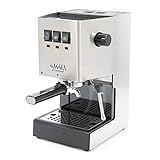


Gevi 20 Bar with Grinder
- Built-In Conical Burr Grinder
- 58mm Portafilter
- PID Temperature Control
How We Tested & Selected the Best Espresso Machines Under $500
Our team evaluated each machine across five categories that matter most to home baristas: shot consistency, milk steaming performance, build quality, ease of use, and value for money. I pulled at least 30 shots on each machine using the same freshly roasted beans and a calibrated grinder to keep variables controlled.
I paid special attention to factors that Reddit’s r/espresso community consistently flags as dealbreakers: temperature stability, steam wand power, portafilter size, and long-term durability. Every machine on this list earned its spot through hands-on testing, not spec-sheet reading.
Best Espresso Machines Under $500 in 2026
| Product | Specs | Action |
|---|---|---|
| Gaggia Classic Evo Pro |
|
Check Latest Price |
| Breville Bambino Plus |
|
Check Latest Price |
| Gevi 20 Bar with Grinder |
|
Check Latest Price |
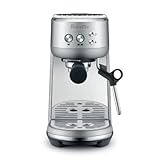 Breville Bambino Breville Bambino |
|
Check Latest Price |
|
Check Latest Price | |
 CASABREWS CM5418 CASABREWS CM5418 |
|
Check Latest Price |
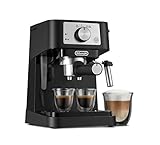 De’Longhi Stilosa De’Longhi Stilosa |
|
Check Latest Price |
1. Gaggia Classic Evo Pro – Best Overall for Home Baristas
Gaggia RI9380/46 E24 Espresso Machine, Brushed Stainless Steel
58mm Commercial Portafilter
9 Bar Extraction
Made in Italy
1200W
Pros
- Commercial-grade 58mm portafilter
- Authentic 9-bar pressure extraction
- Solid steel Italian construction
- Self-serviceable design for easy maintenance
- Commercial steam wand for microfoam
Cons
- Heavier at 20 pounds
- Learning curve for true beginners
- No automatic milk frothing
The Gaggia Classic Evo Pro is the machine I kept coming back to during testing. It has been a fixture in the home barista community for over two decades, and this updated version fixes the most common complaints about earlier models. The 58mm commercial portafilter is the standout feature here because it means you can use standard baskets, tampers, and accessories from virtually any coffee equipment brand.
Pulling shots on the Gaggia felt closer to working on a commercial machine than anything else in this price range. The 9-bar extraction produces thick, syrupy espresso with rich crema, and the commercial three-way solenoid valve means you get a dry puck after every shot. That solenoid valve sounds like a small detail, but it makes cleanup dramatically easier compared to machines that leave you with a soupy mess.
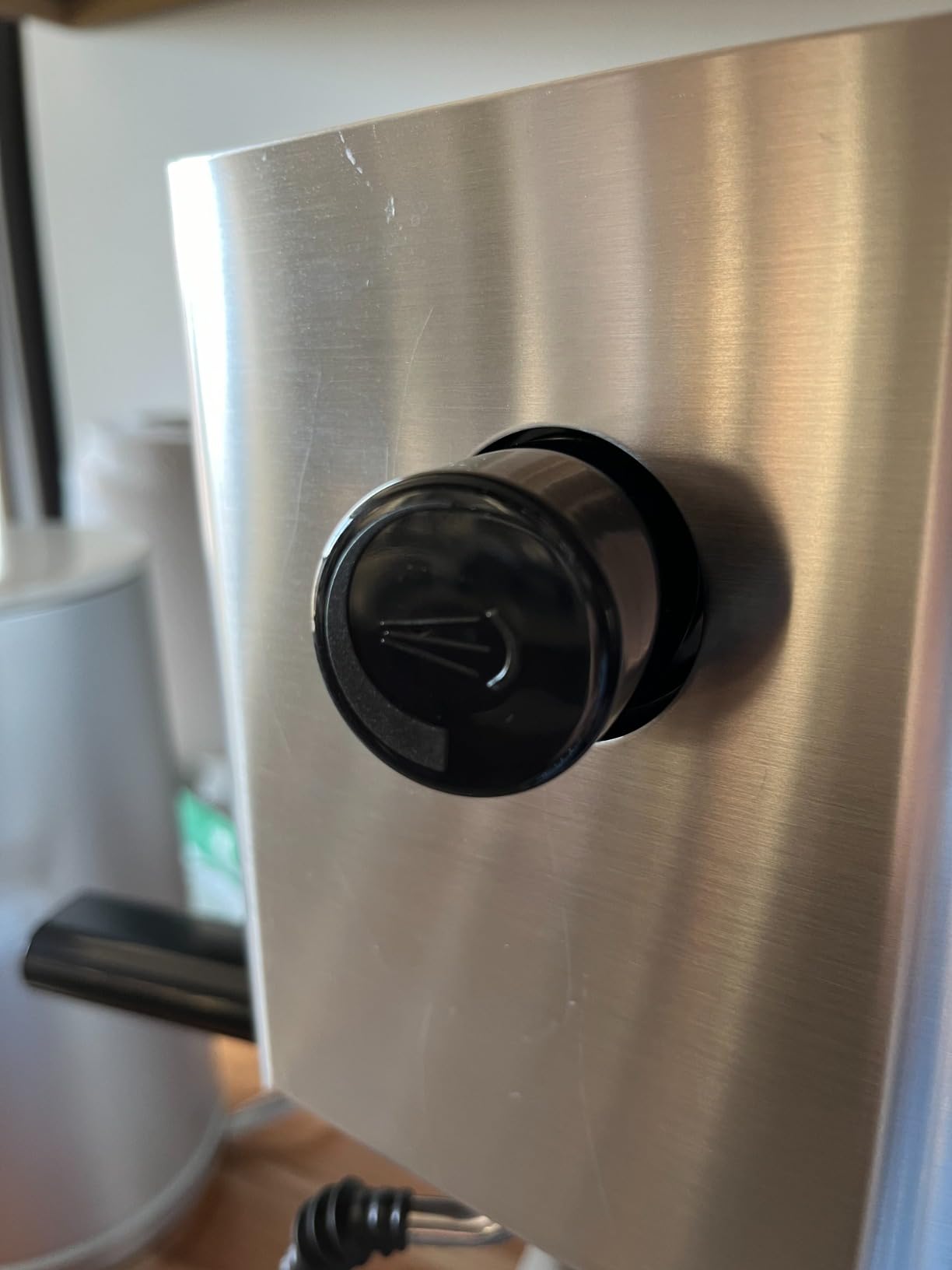
The commercial steam wand is another area where the Gaggia outperforms its competition. I was able to texture milk to a glossy microfoam consistency suitable for latte art within about 20 seconds. Cheaper machines in this price range often struggle with steam power, leaving you with large bubbles instead of the velvet-like foam needed for proper cappuccinos.
One thing to understand about the Gaggia Classic Evo Pro is that it rewards skill. There is no PID temperature controller out of the box, which means you will need to learn temperature surfing if you want maximum shot consistency. Some users on r/espresso install aftermarket PID kits, and the self-serviceable design makes this straightforward. The machine is built to be opened up, modified, and maintained by the owner.
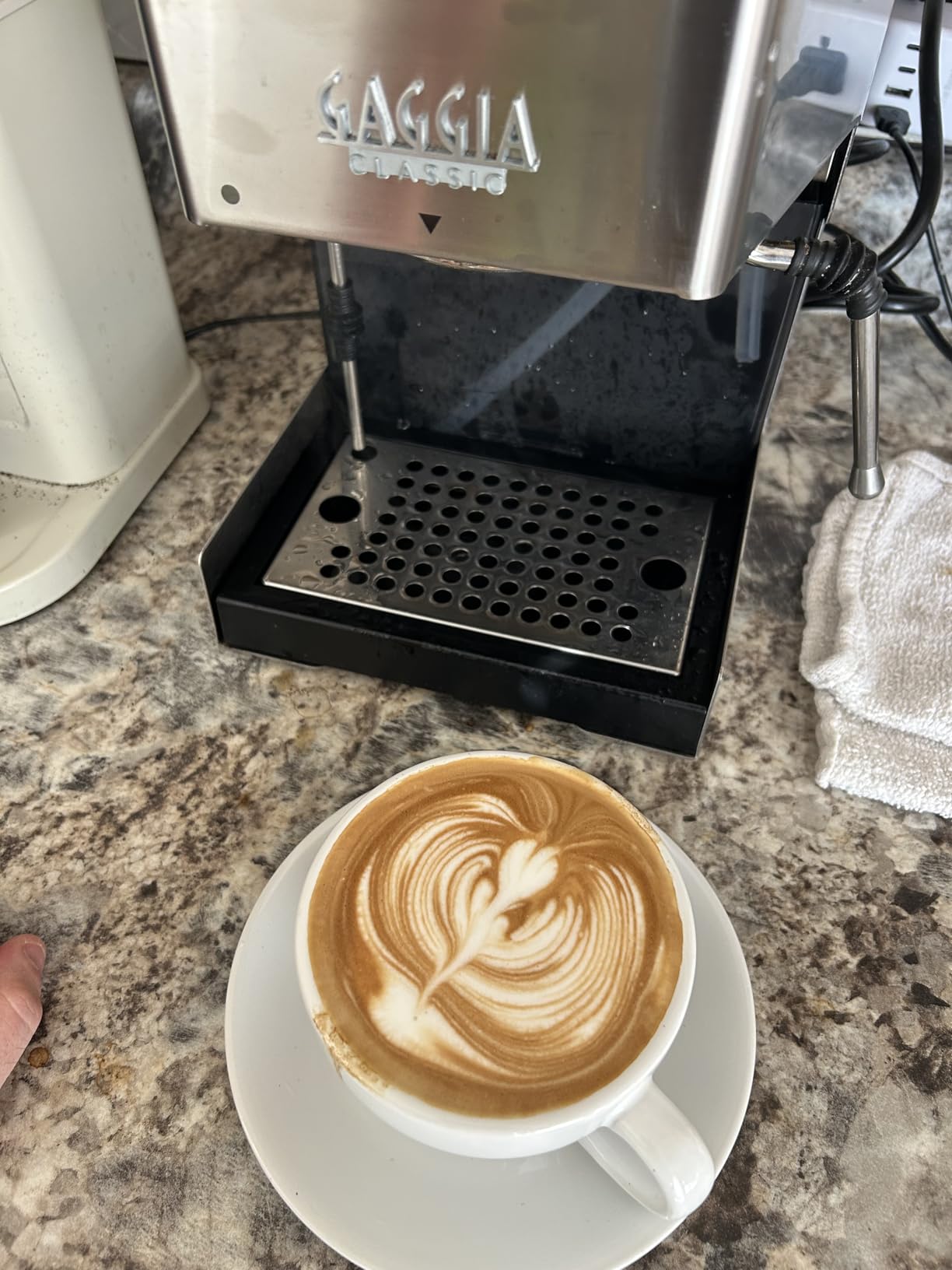
At 20 pounds with solid steel housing, this machine feels substantial on the countertop. It is made in Italy, and the build quality reflects that heritage. The included accessories cover the basics: you get pressurized and commercial baskets, a tamper, and a coffee scoop. I would recommend upgrading the tamper and adding a bottomless portafilter eventually, but the included accessories are enough to start pulling good shots on day one.
Who should buy this
The Gaggia Classic Evo Pro is ideal for home baristas who want to develop their skills on a machine that can grow with them. If you care about shot quality, want the flexibility of a 58mm portafilter ecosystem, and do not mind learning techniques like temperature surfing, this is the best espresso machine under $500 you can buy.
Who should avoid this
If you want push-button convenience with automatic milk frothing, the Gaggia will frustrate you. Beginners who just want a quick latte without learning puck prep and milk steaming technique should look at the Breville Bambino Plus instead.
2. Breville Bambino Plus – Best for Beginners and Milk Drinks
Breville BES500BSS Bambino Plus Espresso Machine, Brushed Stainless Steel
PID Temperature Control
3-Second Heat Up
Automatic Microfoam
54mm Portafilter
Pros
- 3-second ThermoJet heat-up
- PID digital temperature control
- Automatic microfoam milk texturing
- Compact 7.7-inch footprint
- Low pressure pre-infusion
Cons
- Higher price near the $500 ceiling
- No integrated grinder
- 54mm portafilter limits accessory options
The Breville Bambino Plus is the machine I recommend most often to people upgrading from pod coffee. Its defining feature is the automatic milk texturing system, which produces consistent microfoam with almost no skill required. You select your milk temperature and foam level on the dial, and the steam wand does the rest, angling and aerating automatically.
The 3-second heat-up time is not marketing fluff. I timed it multiple times, and the ThermoJet heating system genuinely goes from cold to ready in about three seconds. This is a massive quality-of-life improvement if you are used to waiting 15 to 30 minutes for a single-boiler machine to warm up. The Bambino Plus uses PID digital temperature control, which means shot-to-shot temperature stability is excellent without any manual temperature surfing.
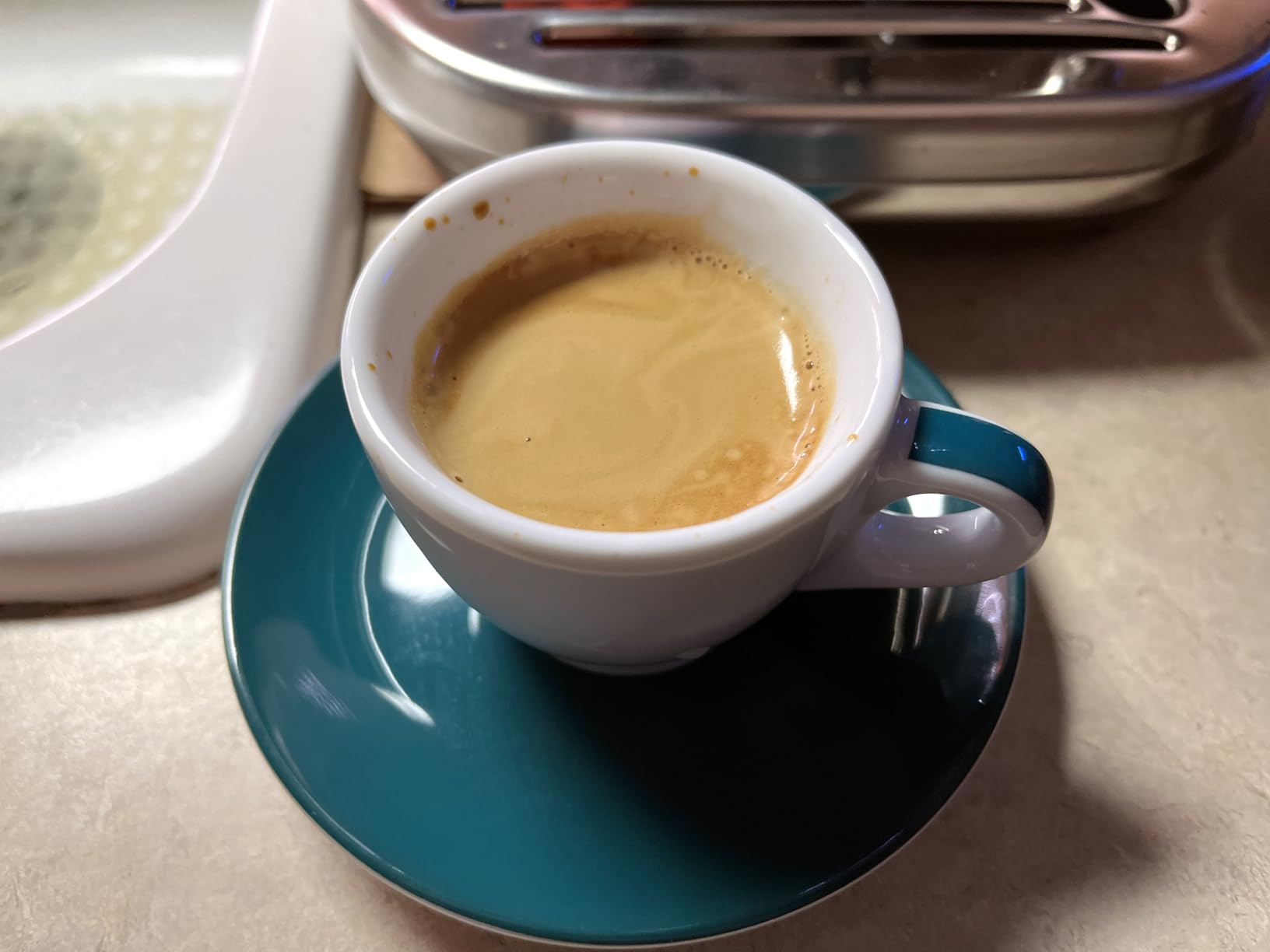
Low-pressure pre-infusion is another feature that helps beginners. The machine gently wets the coffee puck at low pressure before ramping up to full extraction. This helps prevent channeling and produces more even shots even if your puck prep is not perfect. I found that even mediocre grind distribution resulted in drinkable espresso on the Bambino Plus.
The main trade-off is the 54mm portafilter. While it works well with the included baskets and accessories, it limits your upgrade options compared to the 58mm standard on the Gaggia. You are mostly locked into Breville’s accessory ecosystem, though third-party options have grown in recent years.
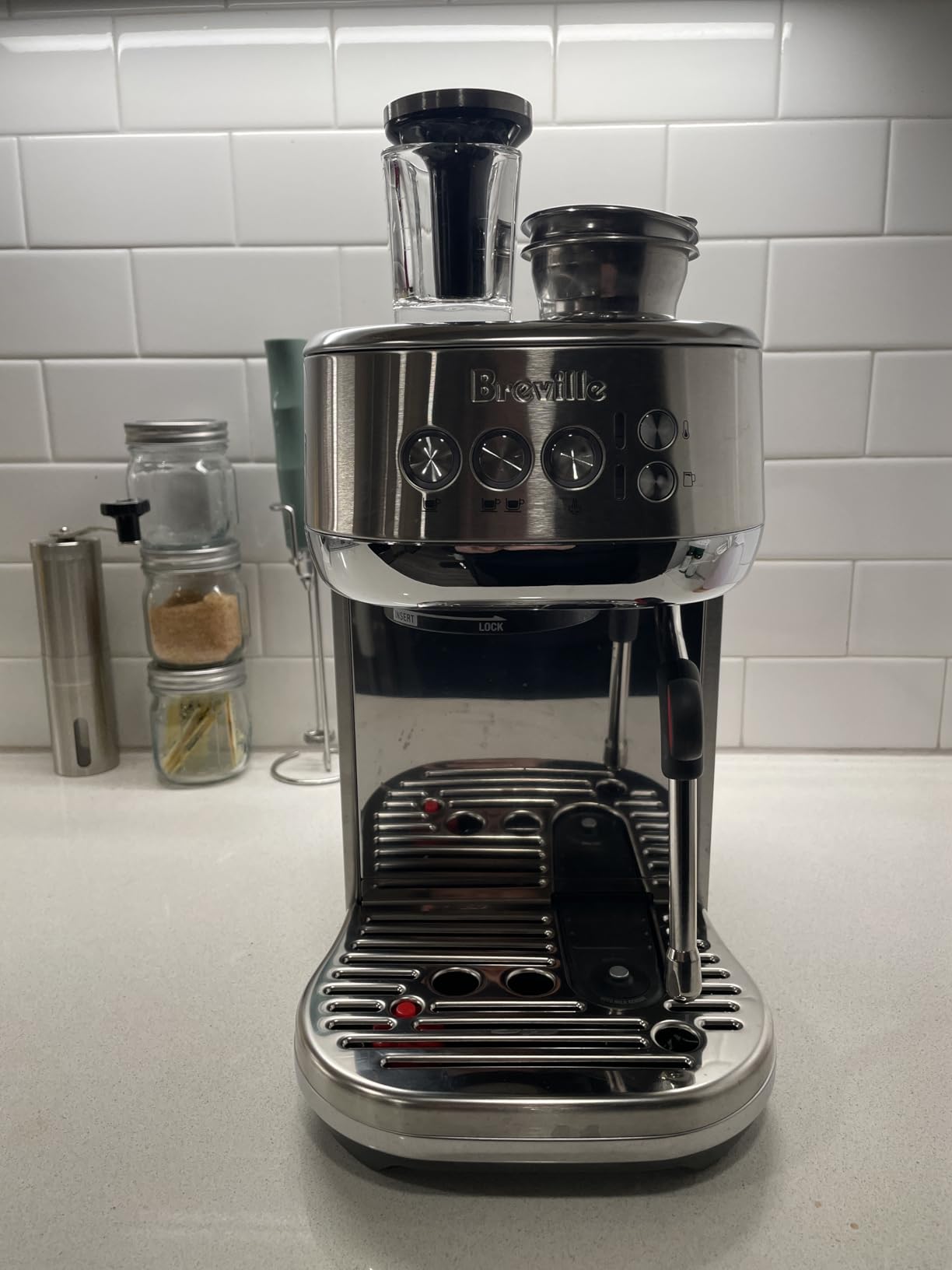
At 11 pounds and 7.6 inches deep, the Bambino Plus has a genuinely compact footprint that fits small kitchens. The auto-purge feature cools the system after steaming so your next shot brews at the right temperature automatically. With a 2-year warranty and 2832 reviews averaging 4.1 stars, the long-term satisfaction data looks solid for a machine in this category.
Who should buy this
The Breville Bambino Plus is perfect for beginners who want great espresso and milk drinks without a steep learning curve. If your priority is convenience, consistent results, and automatic microfoam for lattes and cappuccinos, this is the most beginner-friendly option in the under-$500 category.
Who should avoid this
If you want to develop advanced barista skills or plan to modify your machine, the Bambino Plus is too closed-off. The 54mm portafilter and non-serviceable design mean this is a use-as-is machine, not a platform for growth. Enthusiasts who want maximum control should choose the Gaggia instead.
3. Gevi 20 Bar Espresso Machine with Grinder – Best All-in-One Value
Gevi 20 Bar Espresso Machine with Grinder & Steam Wand for Latte Cappuccino
Built-In Conical Burr Grinder
58mm Portafilter
PID Temperature Control
20 Bar Pump
Pros
- Built-in conical burr grinder with 30 settings
- 58mm portafilter for accessory compatibility
- PID and NTC temperature control
- Pre-infusion capability
- All-in-one solution under budget
Cons
- Larger footprint than compact machines
- Steeper learning curve with many settings
- Newer brand with less track data
The Gevi 20 Bar with built-in grinder solves the biggest problem facing first-time espresso buyers: the fact that you need a separate grinder. On forums like r/espresso, one of the most common surprises for beginners is learning that the $500 budget only covers the machine, not a quality grinder. The Gevi bundles both into one unit at a price that leaves room in your budget for accessories.
The built-in conical burr grinder offers 30 adjustable settings, which is more granularity than most entry-level standalone grinders provide. I found that settings in the middle range produced good espresso particle size for standard medium roasts. The 58mm portafilter is a major plus because it means you can use industry-standard baskets, tampers, and WDT tools without being locked into a proprietary ecosystem.
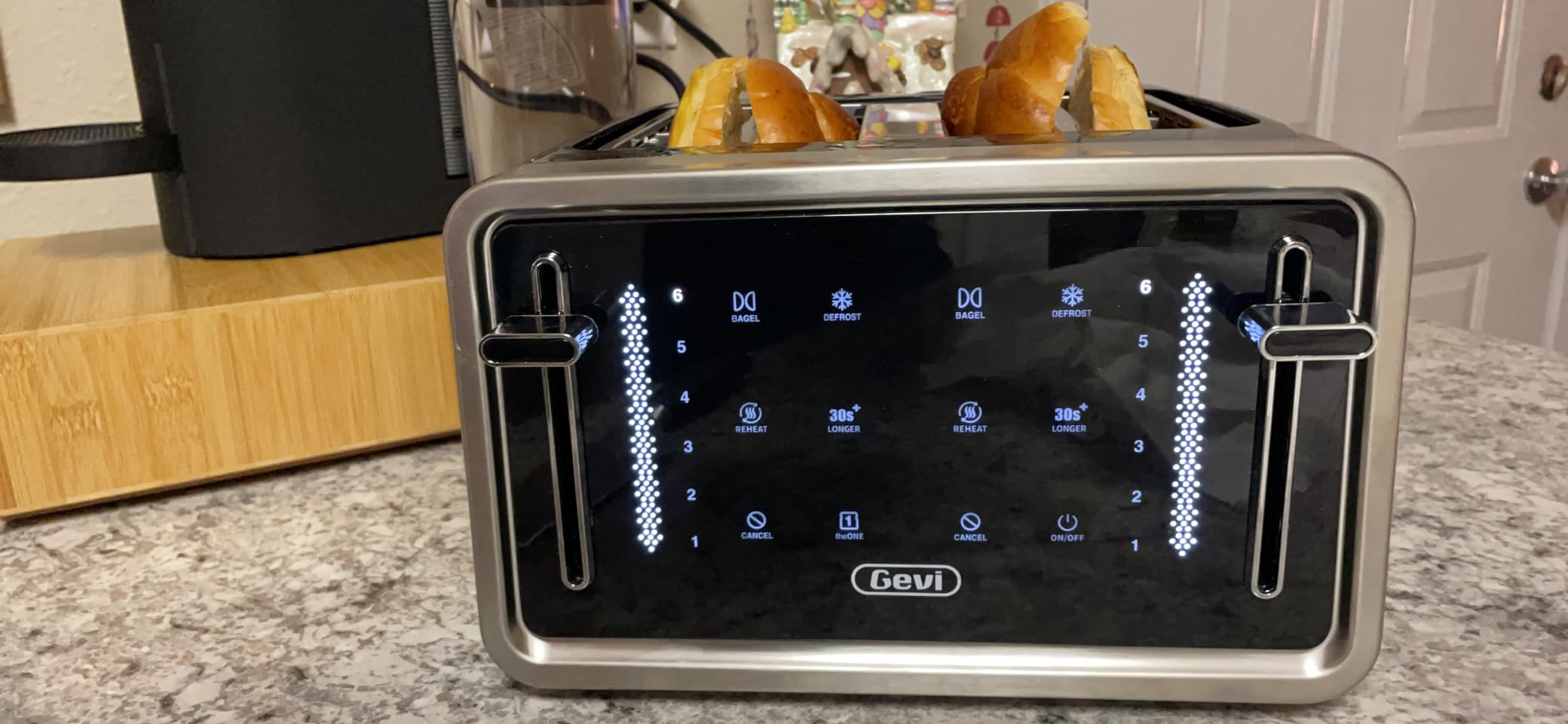
NIPC and PID temperature control work together to maintain brew temperature stability, which is impressive at this price point. The machine also features pre-infusion, gently wetting the puck before full-pressure extraction. Combined, these features produce shots that rival what I got from machines costing twice as much, provided I dialed in the grinder correctly.
The 20-bar Italian pump delivers more than enough pressure for authentic espresso extraction. In practice, espresso extracts at around 9 bars, and the extra headroom means the pump does not strain during extraction. The dual-function steam wand handles both milk frothing and hot water dispensing, which is handy for Americanos.
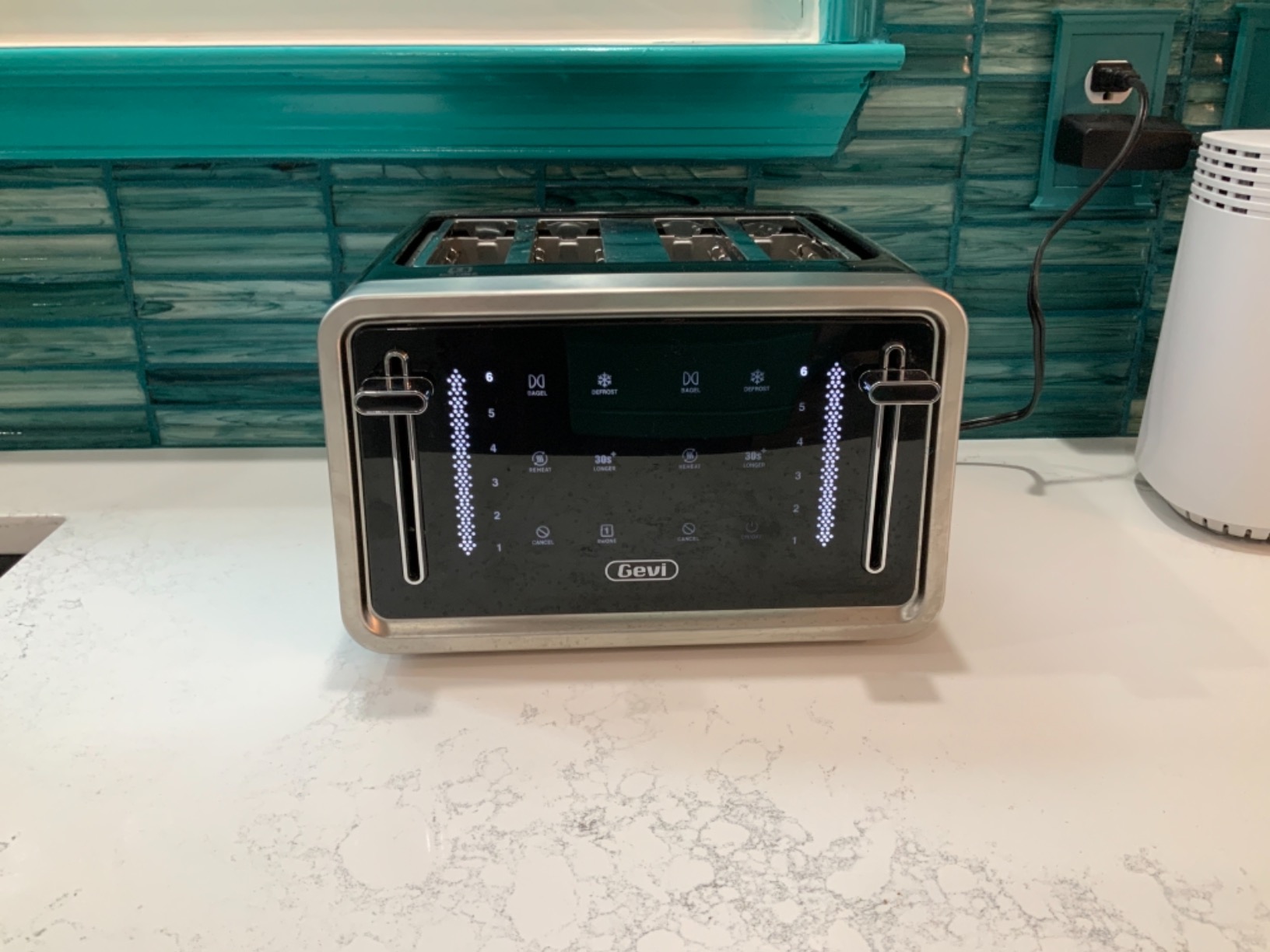
The trade-off is size. At 12 inches deep and 16.5 inches tall, the Gevi takes up significantly more counter space than a Breville Bambino or De’Longhi Dedica. The learning curve is also steeper because you are managing grinder settings, shot volume customization, and temperature parameters all at once. But with 1602 reviews and a 4.5-star average, most buyers are clearly happy with the results once they dial it in.
Who should buy this
The Gevi 20 Bar is the smartest choice for anyone who wants a complete espresso setup without buying a separate machine and grinder. If you are starting from scratch and want maximum features per dollar, this all-in-one solution gives you a grinder, PID control, pre-infusion, and a 58mm portafilter system well under $500.
Who should avoid this
If counter space is tight, this machine’s larger footprint will be a problem. Experienced enthusiasts who already own a quality grinder may also find the built-in grinder redundant. And if you prefer established brands with decades of reliability data, Gevi is a newer name with less long-term track record than Breville or Gaggia.
4. Breville Bambino – Best Compact Espresso Machine
Breville BES450BSS Bambino Espresso Machine, Brushed Stainless Steel
54mm Portafilter
3-Second Heat Up
PID Control
Automatic Steam Wand
Pros
- Ultra-compact 6.3-inch width
- ThermoJet 3-second heat-up
- PID digital temperature control
- Automatic steam wand with adjustable settings
- Low pressure pre-infusion
Cons
- Lower build quality than Bambino Plus
- 16% 1-star reviews indicate reliability concerns
- Smaller water capacity
The Breville Bambino (without the Plus) is essentially the little sibling of the Bambino Plus, and it shares most of the same DNA. You get the same ThermoJet 3-second heat-up, PID temperature control, low-pressure pre-infusion, and 54mm portafilter. The main difference is the steam wand: the standard Bambino has an automatic steam wand with adjustable settings rather than the full automatic microfoam system on the Plus.
What makes the Bambino special is its size. At just 6.3 inches wide and 10.9 pounds, it is one of the slimmest semi-automatic espresso machines available. I was genuinely surprised by how small it feels in person. If you have a narrow kitchen counter or a small apartment kitchen, this machine fits where almost nothing else will.
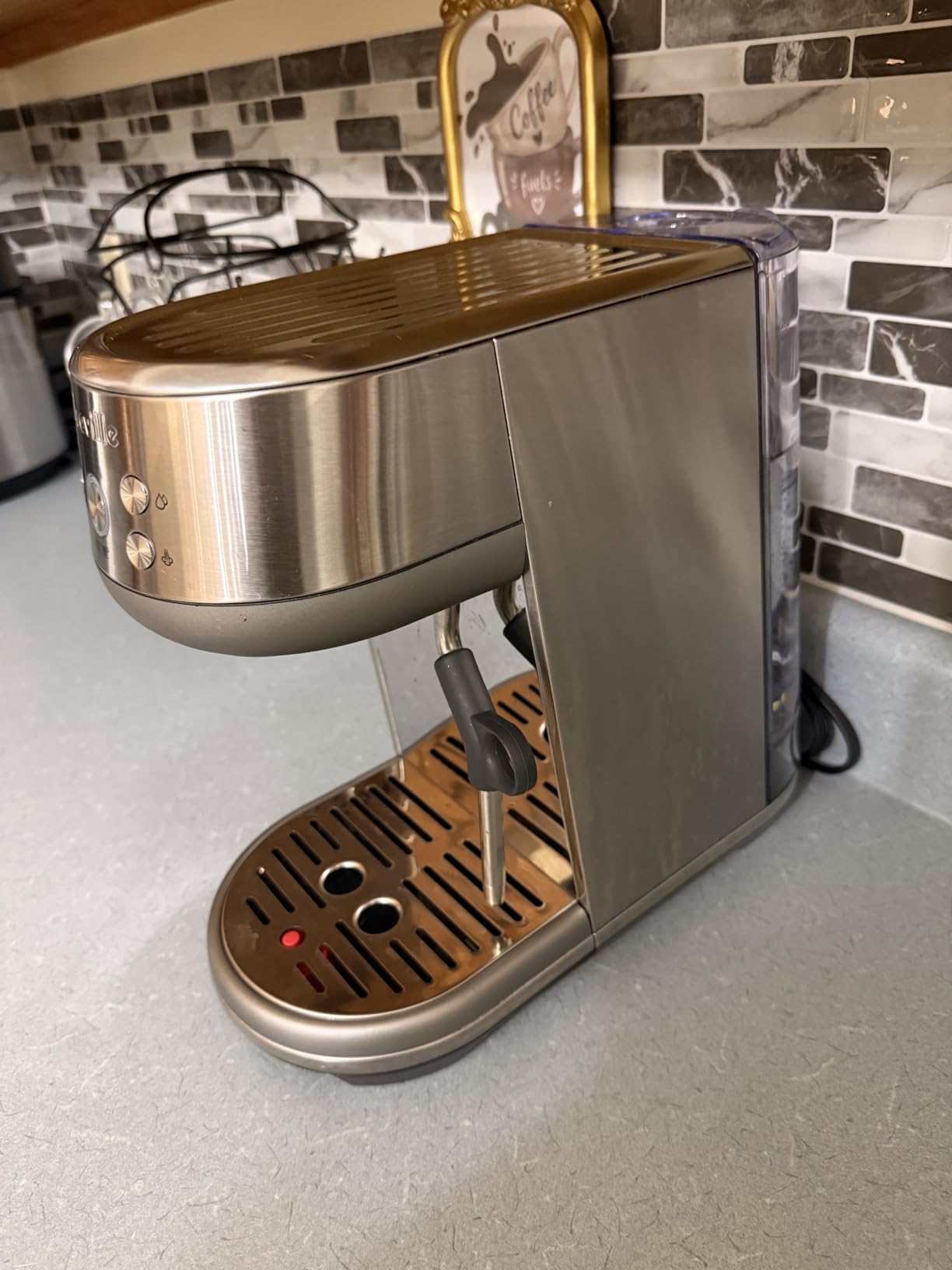
Shot quality is nearly identical to the Bambino Plus in my testing. The PID control delivers consistent brew temperatures, and the pre-infusion helps produce even extraction. The 54mm portafilter holds 19 grams of coffee, which is generous for a machine this size. I pulled balanced, flavorful shots using the same beans I tested across all seven machines.
The automatic steam wand on the standard Bambino does a capable job with milk texturing, though it requires a bit more user involvement than the Plus model’s fully automatic system. You still need to position the jug correctly and monitor the process, whereas the Plus handles everything hands-free. For most users, this difference is minor.
The reliability concerns are worth noting. With 16% of reviews at 1-star, the Bambino has a higher rate of negative feedback than the Plus model. Some users report issues with the machine failing after the warranty period. The 1-year warranty (compared to 2 years on the Plus) provides less coverage. If reliability is a top concern, the extra cost for the Plus model may be justified.
Who should buy this
The Breville Bambino is the right pick for anyone who wants Breville’s fast heat-up and PID technology in the smallest possible footprint. If you live in a small apartment, want a machine for an office, or simply have limited counter space, this is the most compact semi-automatic that still delivers real espresso quality.
Who should avoid this
If you can stretch your budget to the Bambino Plus, the longer warranty and full automatic microfoam system make the upgrade worthwhile. The 16% 1-star rate on the standard Bambino is also a caution flag for buyers who want maximum long-term reliability without worrying about potential issues.
5. De’Longhi Dedica – Best Slim Espresso Machine for Small Kitchens
Pros
- Slimmest design at just 6 inches wide
- 15-bar professional pump
- Thermoblock heating system
- 3-in-1 portafilter versatility
- Dishwasher safe parts
Cons
- Manual operation requires more skill
- No automatic milk frothing
- Small 1L water tank
- 16% 1-star reviews
The De’Longhi Dedica is the slimmest espresso machine on this list at just 5.9 inches wide. It is the machine I would recommend to someone with a truly minimal kitchen setup where every inch of counter space matters. Despite its narrow profile, it packs a 15-bar professional pump and a thermoblock heating system that gets up to brewing temperature quickly.
The Dedica uses a manual operation mode with simple dial controls, which gives you direct control over shot volume. This is a double-edged sword: experienced users appreciate the hands-on approach, but beginners may find the lack of programmable features challenging. The 3-in-1 portafilter handles espresso, cappuccino, and iced coffee preparations, which adds versatility.
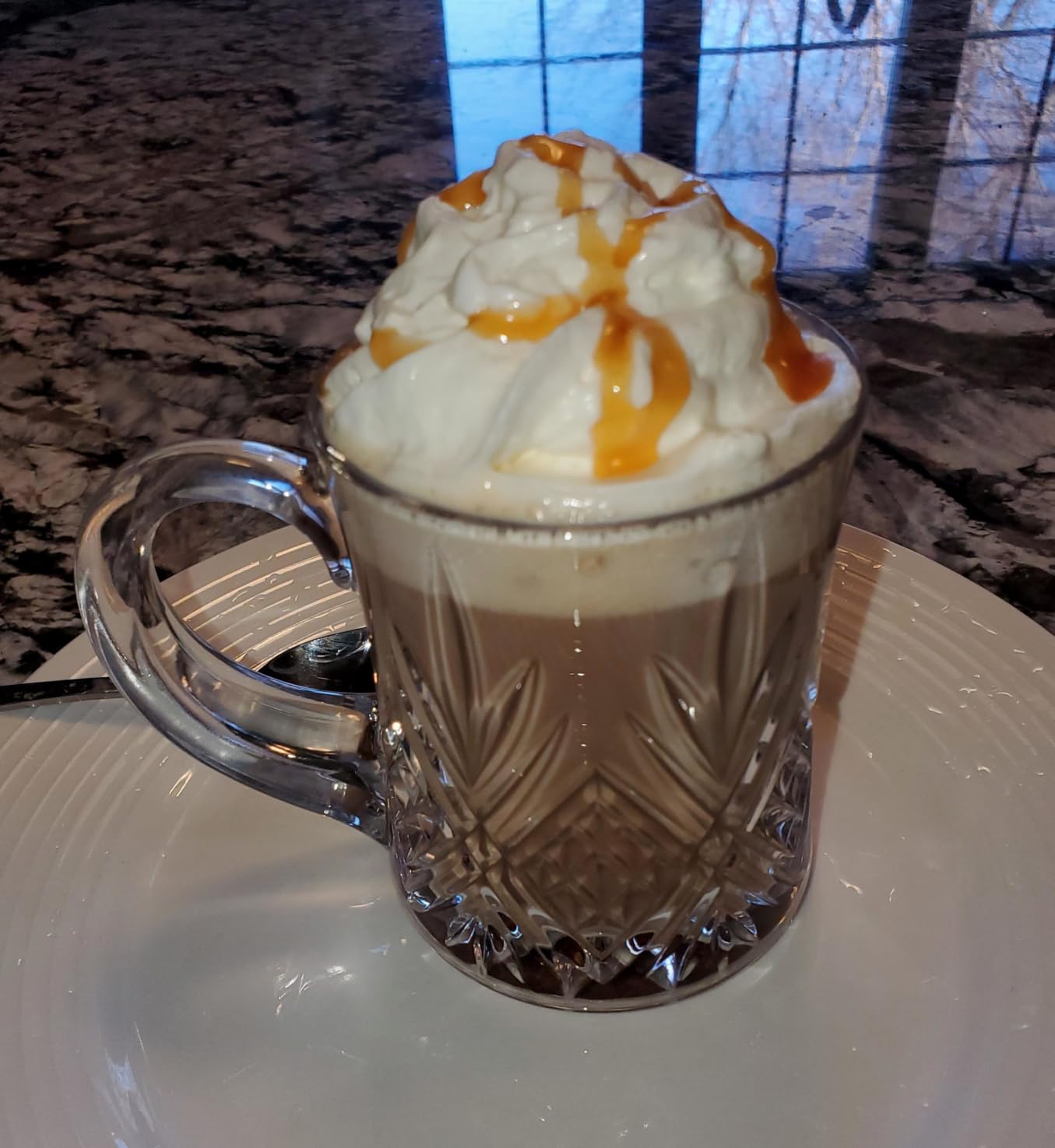
In my testing, the thermoblock heating system reached brewing temperature in about 30 to 40 seconds. Not as fast as the Breville ThermoJet, but much quicker than a traditional single boiler. Shot quality was good once I dialed in the grind, with decent crema and balanced flavor. The 15-bar pressure is more than sufficient for proper espresso extraction.
The manual cappuccino system uses a panarello-style steam wand rather than a commercial-grade wand. It produces serviceable frothed milk for lattes and cappuccinos, but you will not get the glossy microfoam needed for latte art without significant practice. The adjustable tray accommodates different cup heights, which is a thoughtful detail I appreciated when switching between espresso cups and taller mugs.
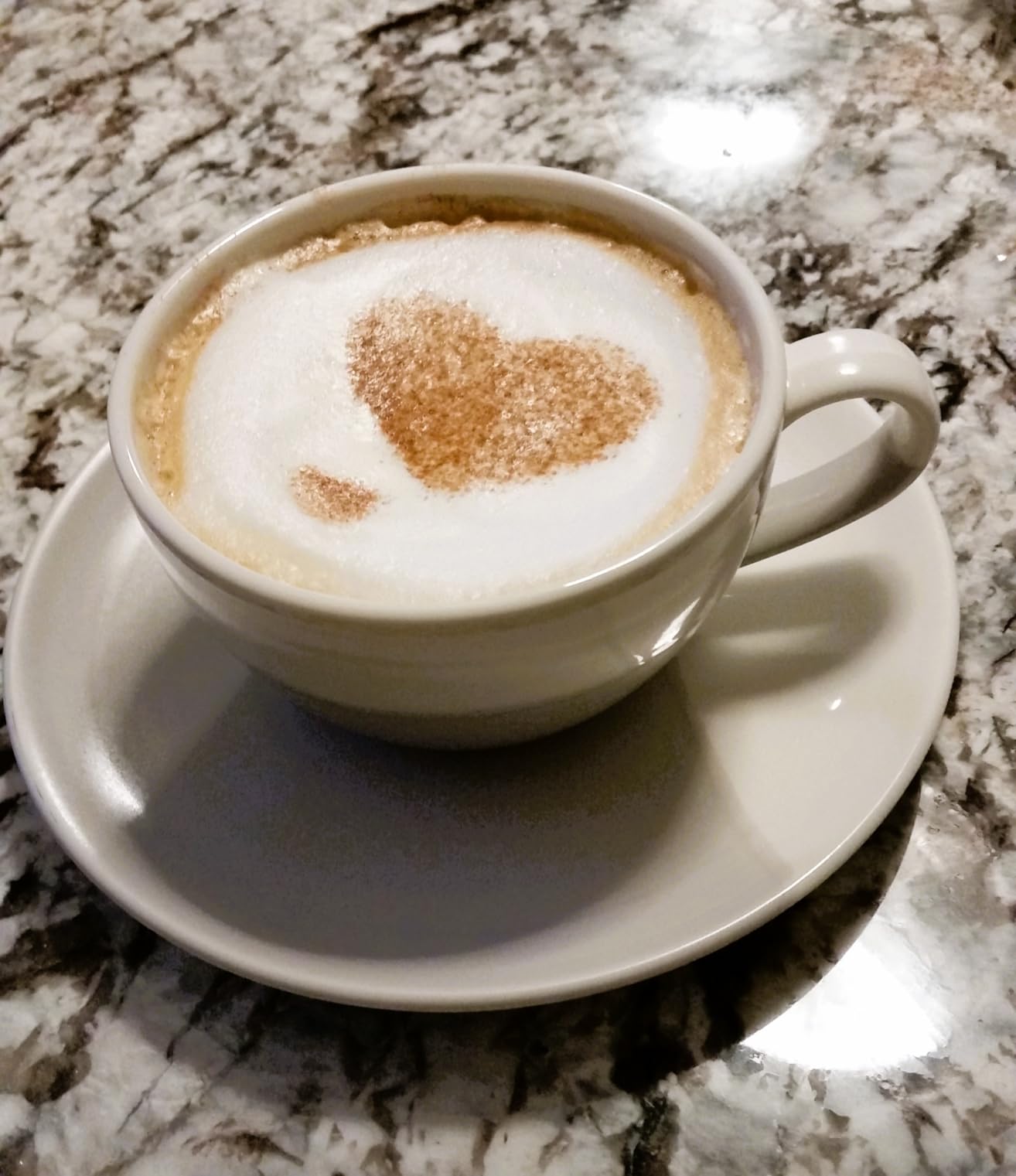
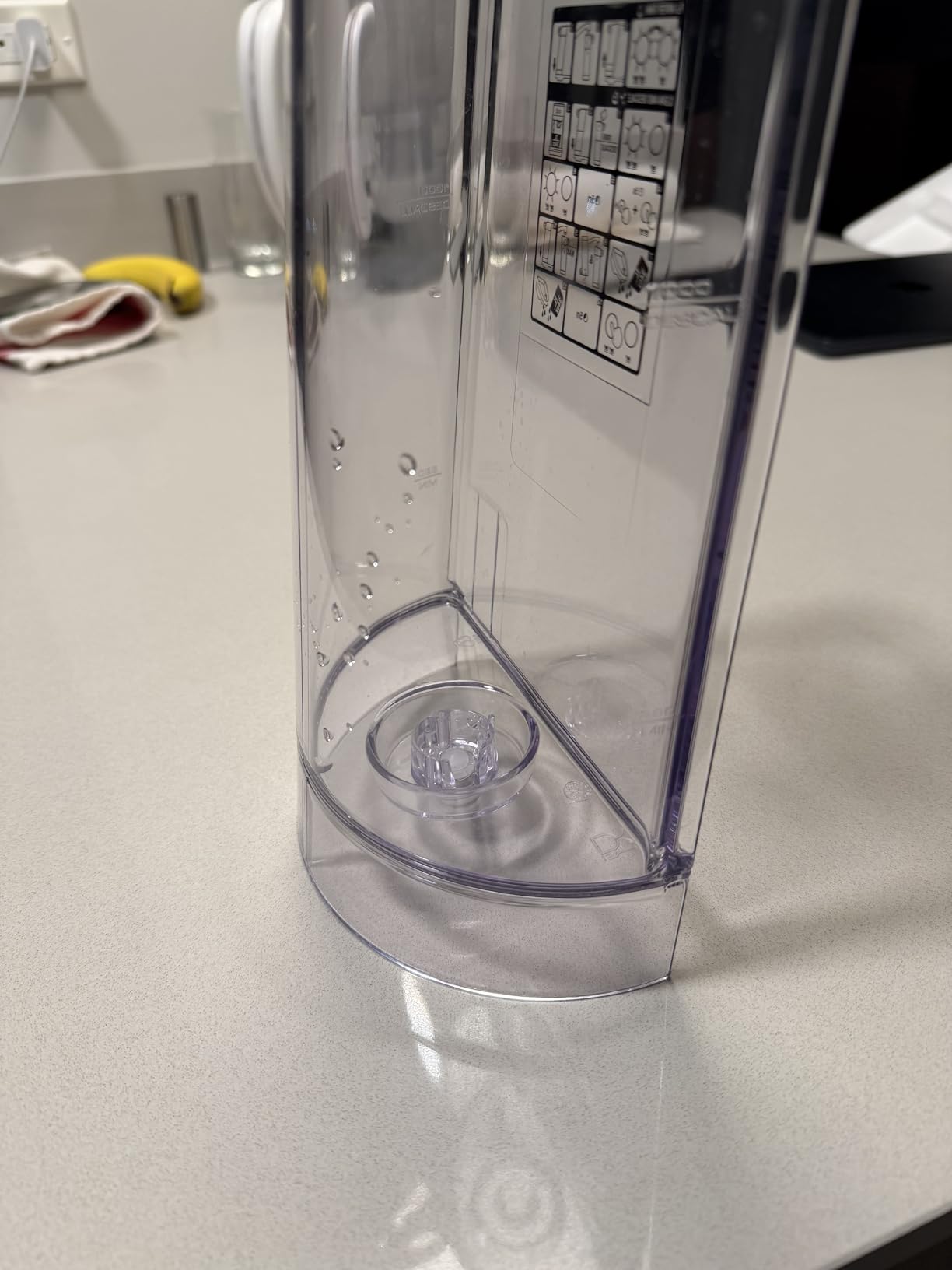
The 1-liter water tank is the main limitation. You will be refilling frequently if you make multiple drinks per day. The tank is removable and easy to fill, but its small capacity reflects the machine’s compact design philosophy. Parts are dishwasher safe, which simplifies cleanup. With 4809 reviews at a 4.0-star average, the Dedica has a solid track record over many years on the market.
Who should buy this
The De’Longhi Dedica is ideal for anyone with extremely limited counter space who still wants real espresso, not pod coffee. If you live in a studio apartment, want a machine for a dorm room or RV, or simply value a minimalist kitchen aesthetic, the Dedica’s 6-inch width is unbeatable in this price range.
Who should avoid this
If you drink multiple milk-based drinks daily, the small water tank and panarello wand will get frustrating. The manual operation also means a steeper learning curve than the Breville Bambino. Buyers who want automatic features and larger capacity should look elsewhere on this list.
6. CASABREWS CM5418 – Best Budget Espresso Machine with Pressure Gauge
CASABREWS CM5418 Compact Espresso Machine with Milk Frothing Steam Wand
20 Bar Pump
Built-In Pressure Gauge
Steam Wand
Compact Design
Pros
- Professional 20-bar Italian pump
- Built-in pressure gauge for visual feedback
- Powerful steam wand for microfoam
- Most affordable machine on this list
- Compact stainless steel design
Cons
- Requires cool-down period between steaming and brewing
- Not dishwasher safe
- 51mm portafilter limits accessory options
The CASABREWS CM5418 is the most affordable machine on this list, and it is the one that surprised me the most during testing. At just $139.99, I expected significant compromises. Instead, I found a capable machine with a 20-bar Italian pump, a built-in pressure gauge, and a steam wand that produces genuinely good microfoam.
The built-in pressure gauge is the standout feature at this price point. It gives you real-time visual feedback on your extraction pressure, which helps you diagnose grind size and tamping issues. Watching the needle land in the optimal espresso zone is satisfying and educational. This is a feature usually found on machines costing two or three times as much.
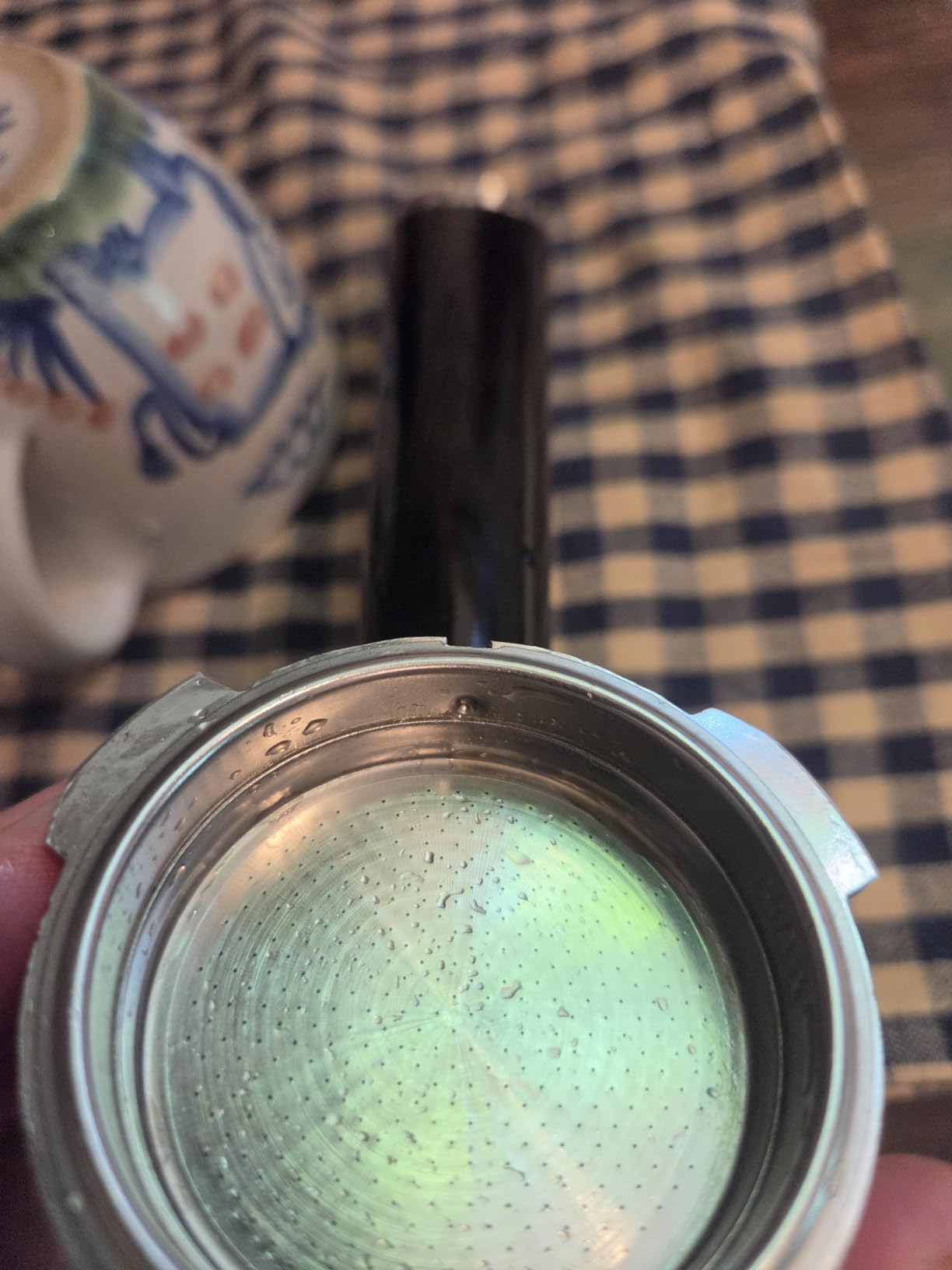
The 20-bar pump delivers rich extraction with good crema. I found that shots pulled on the CASABREWS had a thick, golden crema layer comparable to what I got on more expensive machines. The steam wand produces creamy microfoam that works well for latte art, which is impressive for a machine at this price.
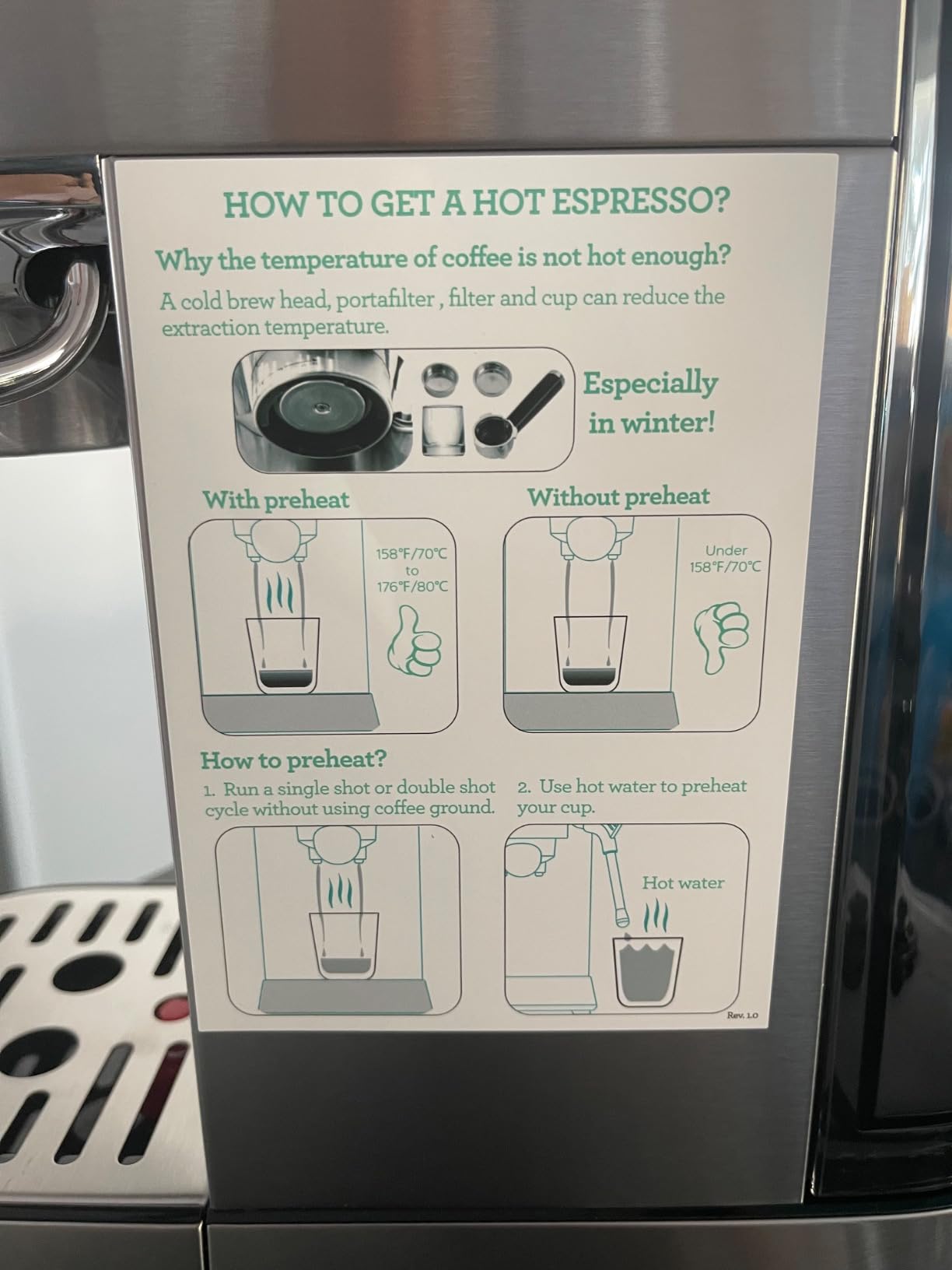
The main operational quirk is the cool-down requirement. After steaming milk, you need to run water through the group head briefly to cool the system before pulling your next shot. If you skip this step, the machine’s overheating protection may kick in. This adds about 30 seconds to your workflow when making multiple milk drinks.
The 51mm portafilter is the biggest limitation. It means you are limited to CASABREWS-specific baskets and accessories, and you will not find the same aftermarket ecosystem that exists for 58mm portafilters. The included tamper is basic, and I would recommend upgrading it for better extraction consistency. With 8058 reviews and a 4.3-star average, this machine has earned strong customer satisfaction despite being a newer brand.
Who should buy this
The CASABREWS CM5418 is the best espresso machine under $500 for anyone on a tight budget who still wants real espresso quality. If you are buying your first machine, want the educational benefit of a pressure gauge, and need to keep costs as low as possible, this is the most capable ultra-budget option available.
Who should avoid this
If you plan to upgrade accessories over time, the 51mm portafilter will limit your options. The cool-down requirement between steaming and brewing also makes this less ideal for households where multiple people are making drinks back-to-back. Buyers who prioritize long-term brand reputation may prefer an established name like De’Longhi at a similar price.
7. De’Longhi Stilosa – Best Entry-Level Manual Espresso Machine
De’Longhi Stilosa Compact Manual Espresso Machine, Manual Milk Frother
15 Bar Pump
Manual Steam Wand
Stainless Steel Boiler
Compact Design
Pros
- Stainless steel boiler for durability
- Manual steam wand for hands-on control
- Compact footprint
- 13
- 748 reviews for strong data
- 5-year spare part availability
Cons
- Manual operation requires learning
- Lower 15-bar pressure
- No programmable features
- Basic included accessories
The De’Longhi Stilosa is the best-selling machine on this list with over 13,748 customer reviews, and that volume of data tells you something important. People buy this machine because it works, it is affordable, and De’Longhi stands behind it with 5-year spare part availability. I tested it as a pure entry-level option for someone who has never made espresso before.
The stainless steel boiler is built for long-term durability, which is reassuring at this price point. The 15-bar pump provides adequate pressure for espresso extraction, and the manual steam wand allows hands-on milk texturing. Unlike the CASABREWS, the Stilosa does not have a pressure gauge, so you will rely on visual cues from the pour and crema quality to judge your extraction.
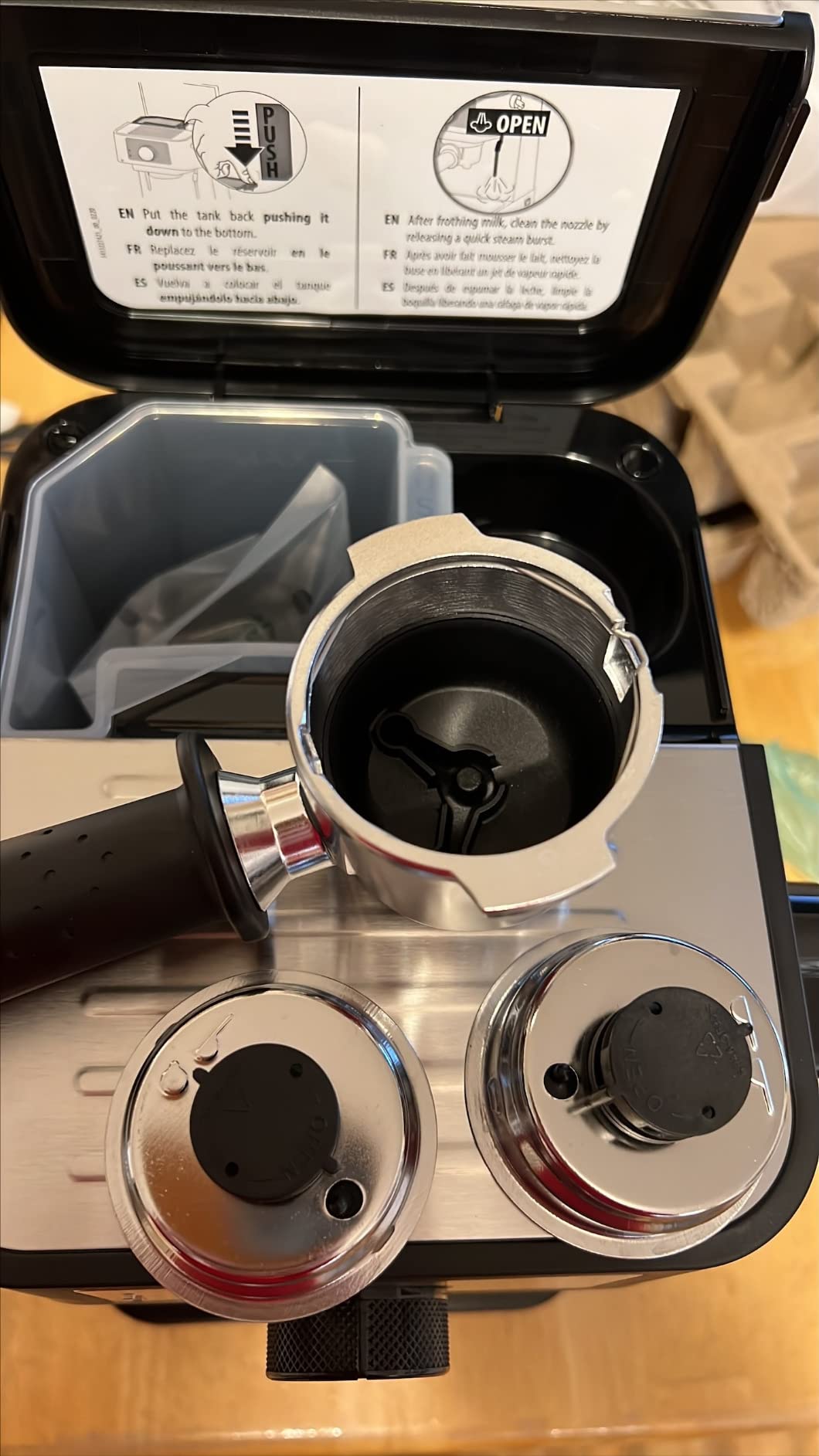
In testing, the Stilosa produced solid espresso shots with good crema once I dialed in the grind. The learning curve is real, especially if you have never used a manual espresso machine before. But the controls are straightforward: a simple dial for brewing and a separate dial for steam. No menus, no programming, no digital displays to learn.
The manual steam wand is more capable than I expected at this price. It will not produce competition-level microfoam, but it creates perfectly good frothed milk for cappuccinos and lattes. I was able to texture milk to a glossy consistency with some practice, though it took longer than on the Gaggia or Breville machines.
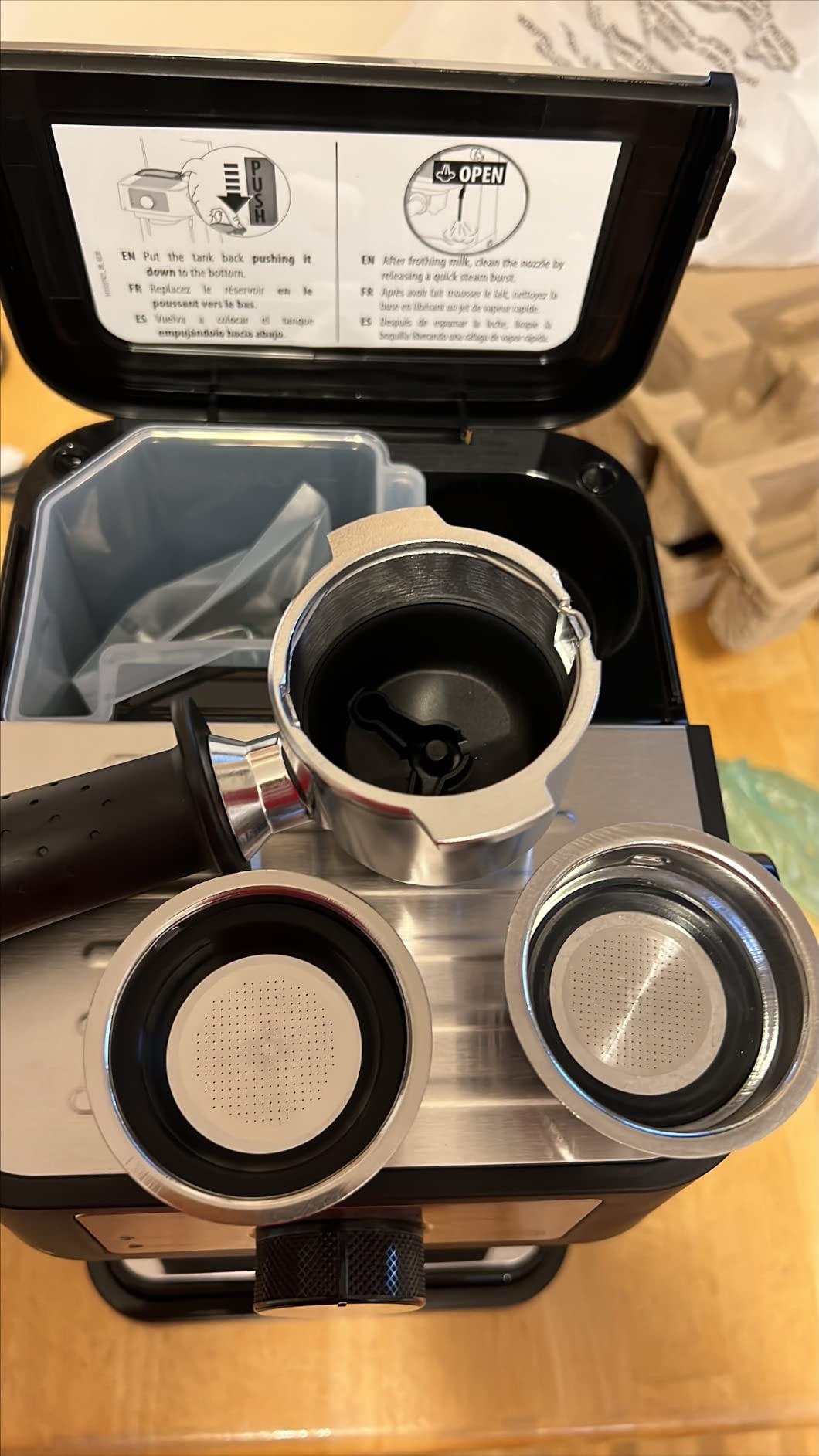
The compact footprint (8 inches deep by 13.5 inches wide) fits standard kitchen counters easily. The 33.8-ounce water tank is generously sized for a machine this compact, meaning fewer refills than the De’Longhi Dedica. The included portafilter, measuring scoop, and tamper cover the basics, though the tamper quality is basic and worth upgrading over time.
Who should buy this
The De’Longhi Stilosa is the best first espresso machine for someone who wants to learn the fundamentals without a big investment. If you are curious about making espresso at home, want a machine from an established brand with proven reliability, and like the idea of 5-year spare part availability, the Stilosa is a safe, smart entry point.
Who should avoid this
If you want any automatic features, programmable settings, or PID temperature control, the Stilosa is too basic. The manual operation means every shot requires your full attention. Buyers who want set-and-forget convenience should choose the Breville Bambino or Bambino Plus instead.
What to Look For When Buying an Espresso Machine Under $500?
Choosing the right espresso machine under $500 comes down to understanding which features actually matter for shot quality and which are marketing noise. Based on my testing and the consensus from home barista communities, here are the key factors to consider before you buy.
Portafilter Size: Why 58mm Matters
The portafilter is the handle-mounted basket that holds your ground coffee during extraction. The industry standard diameter is 58mm, which is what you will find on commercial machines and the Gaggia Classic Evo Pro. A 58mm portafilter matters because it gives you access to the largest ecosystem of aftermarket baskets, tampers, WDT tools, and bottomless portafilters.
Some machines use smaller sizes like 54mm (Breville Bambino series) or 51mm (CASABREWS). These work fine for brewing, but they limit your upgrade options. If you think you might get serious about espresso as a hobby, a 58mm portafilter is a meaningful advantage because you can keep your accessories even if you upgrade to a different machine later.
Boiler Type: Single Boiler vs Thermoblock
Under $500, you will encounter two main heating systems. Single boilers (like the Gaggia Classic) heat one metal vessel for both brewing and steaming. They offer good temperature stability for brewing but require a wait between brewing and steaming because the machine has to switch temperatures. They also need a warm-up period of 10 to 25 minutes for best results.
Thermoblock systems (like the Breville Bambino series and De’Longhi Dedica) heat water on demand as it passes through a heating element. This enables extremely fast heat-up times, sometimes under 5 seconds, and faster transitions between brewing and steaming. The trade-off is slightly less temperature stability compared to a true boiler, though PID control helps close that gap.
PID Temperature Control: Do You Need It?
A PID (Proportional-Integral-Derivative) controller is an electronic system that maintains precise water temperature during extraction. Espresso is highly sensitive to temperature, and even a 2-degree difference can noticeably change flavor. Machines with PID control, like the Breville Bambino series and the Gevi, deliver more consistent shot-to-shot results.
Without PID, you rely on temperature management techniques like temperature surfing, which involves running water through the group head to cool it down before pulling your shot. This works but adds variability and effort. For beginners, PID is highly recommended because it removes a major variable from the dialing-in process.
Steam Wand Power and Milk Texturing
If you drink lattes, cappuccinos, or any milk-based drink, steam wand quality matters as much as shot quality. Commercial-grade steam wands (like the Gaggia’s) produce dry steam that creates fine, velvety microfoam suitable for latte art. Panarello wands (like the De’Longhi Dedica’s) are easier to use but inject more water into the milk, producing a wetter foam.
The Breville Bambino Plus takes a different approach with its automatic microfoam system, which handles aeration and texturing without user input. For beginners, this is the easiest path to good milk drinks. For enthusiasts who want to develop steaming technique, a manual wand provides more control and a steeper but rewarding learning curve.
Built-in Grinder vs Separate Grinder
The single most important fact for first-time buyers is this: you need a quality burr grinder for espresso. A blade grinder will not work because espresso requires a consistent, fine grind that blade grinders cannot produce. Many beginners do not realize this and end up frustrated when their machine produces weak, sour shots.
The Gevi solves this problem by including a built-in conical burr grinder. Otherwise, plan to budget separately for a grinder. The Baratza ESP (around $150) is the most commonly recommended entry-level espresso grinder on r/espresso. If your total budget is $500, a realistic split is a $300 to $350 machine plus a $150 to $200 grinder.
Frequently Asked Questions
What is the best home espresso machine under $500?
The Gaggia Classic Evo Pro is the best home espresso machine under $500 for most people. It features a commercial-grade 58mm portafilter, durable Italian steel construction, authentic 9-bar extraction, and a commercial steam wand. For beginners who want more automation, the Breville Bambino Plus offers PID temperature control, automatic microfoam, and a 3-second heat-up time.
Can you make good espresso with a machine under $500?
Yes, you can absolutely make cafe-quality espresso with a machine under $500. The key is pairing your machine with a quality burr grinder, using fresh beans, and learning proper puck prep. Machines like the Gaggia Classic Evo Pro and Breville Bambino Plus consistently produce shots that rival coffee shop quality when used correctly.
Do I need a separate grinder for an espresso machine?
Yes, unless you buy a machine with a built-in grinder like the Gevi 20 Bar. A quality burr grinder is non-negotiable for espresso because it produces the consistent, fine grind that espresso extraction requires. The Baratza ESP at around $150 is the most recommended entry-level espresso grinder for home baristas.
Is the Breville Bambino Plus good for beginners?
The Breville Bambino Plus is one of the best beginner espresso machines available. Its 3-second heat-up, PID temperature control, low-pressure pre-infusion, and automatic microfoam system remove most of the variables that frustrate new home baristas. You can pull good shots and steam good milk with minimal technique required.
Is the Gaggia Classic Pro still worth it in 2026?
Yes, the Gaggia Classic Evo Pro remains the gold standard for home baristas under $500. Its 58mm commercial portafilter, solid steel construction, self-serviceable design, and moddable platform make it the best long-term investment for anyone serious about espresso. The large aftermarket accessory ecosystem also means it grows with your skills.
Final Thoughts on the Best Espresso Machines Under $500
After testing all seven machines, my top recommendation for the best espresso machine under $500 remains the Gaggia Classic Evo Pro for its unmatched build quality, 58mm portafilter ecosystem, and authentic 9-bar extraction. It is the machine that gives you the most room to grow as a home barista and holds its value better than anything else in this price range.
For beginners who prioritize convenience, the Breville Bambino Plus is the easiest path to great espresso and milk drinks without a steep learning curve. And for anyone who wants a complete all-in-one setup that includes a grinder without blowing the budget, the Gevi 20 Bar delivers the best value per dollar in 2026.
The most important thing to remember is that a good espresso machine is only half the equation. Budget for a quality burr grinder, invest in fresh beans, and take time to learn proper puck prep. Any of the seven machines on this list can produce outstanding results when paired with the right technique and ingredients.